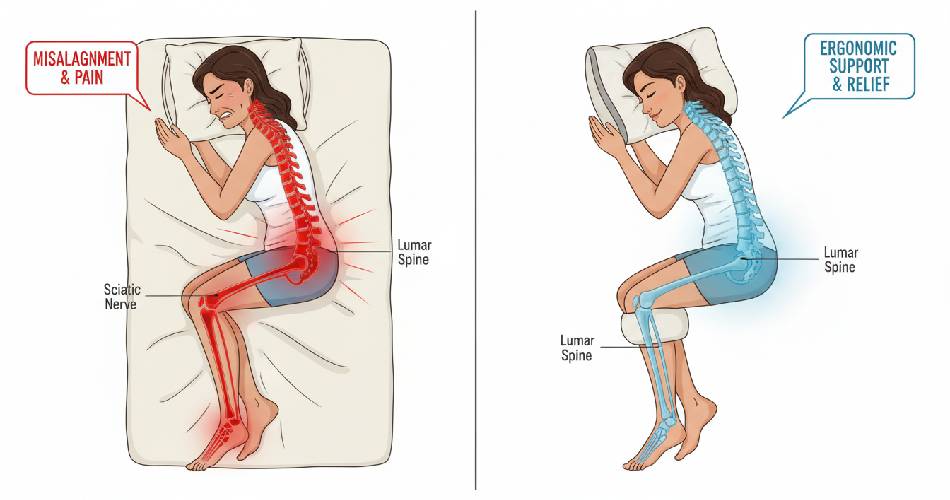
owever, for those suffering from chronic pain conditions, side sleeping can present unique challenges that affect sleep quality and overall health. The right pillow can make a significant difference in managing chronic pain while side sleeping, as it provides essential support and alignment for the spine, neck, and shoulders. This comprehensive guide will explore everything you need to know about choosing comfortable pillows specifically designed for side sleepers with chronic pain, including the features to look for, recommended products, and tips for optimizing your sleep environment for pain relief and recovery.
Side sleeping is generally considered one of the healthiest sleeping positions because it promotes spinal alignment and reduces pressure on the lower back compared to stomach sleeping. However, side sleeping presents specific challenges for people with chronic pain conditions. When you sleep on your side, your spine naturally tilts, and without proper support, this position can create gaps between your neck and shoulder that lead to strain and discomfort. The shoulder you're resting on bears significant body weight, which can cause pressure point pain and nerve compression, particularly problematic for those with conditions like fibromyalgia, arthritis, or shoulder pain. The cervical spine, which supports your head and neck, must be properly aligned to prevent tension headaches and neck stiffness that often accompany chronic pain conditions. Additionally, chronic pain conditions like lower back pain, hip pain, and sciatica require specific support and positioning to minimize nighttime discomfort and allow for restorative sleep. Understanding how your sleeping position interacts with your specific chronic pain condition is the first step in finding an appropriate pillow solution.
When shopping for a pillow specifically designed for side sleepers with chronic pain, several key features should influence your decision. The height and thickness of the pillow are crucial considerations, as the pillow must fill the gap between your head and shoulder to maintain proper cervical spine alignment. For most side sleepers, a pillow height between 4 to 6 inches is ideal, though this varies depending on shoulder width and mattress firmness. The firmness level is another critical factor, as the pillow must provide adequate support without being so firm that it creates pressure points. Medium to medium-firm pillows are generally recommended for side sleepers with chronic pain, offering a balance between support and comfort. The material composition significantly affects how well a pillow performs for pain relief. Memory foam conforms to your head and neck, providing personalized support and pressure relief. Latex offers natural bounce and responsiveness while maintaining good support. Additionally, adjustability features allow you to customize the pillow's loft and firmness, making it adaptable to your changing needs.
Memory foam pillows have become increasingly popular for people with chronic pain because of their ability to conform precisely to the contours of your head, neck, and shoulders. The foam adapts to your body's shape, distributing weight evenly and reducing pressure points that can exacerbate pain conditions. The material's viscoelastic properties create a cradling effect that reduces strain on the neck and shoulders, making it particularly beneficial for those with neck pain, shoulder pain, or tension headaches. High-density memory foam provides better support and durability than lower-density options, though it may sleep warmer initially. Many modern memory foam pillows incorporate cooling gel or phase-change materials to address temperature regulation, which is important since overheating can interrupt sleep and worsen pain symptoms.Some of the most highly-rated memory foam pillows for side sleepers with chronic pain include brands that specialize in orthopedic support and offer satisfaction guarantees.
Cervical pillows are specifically engineered to support the natural curvature of the cervical spine, making them an excellent choice for side sleepers experiencing neck pain or shoulder pain. These pillows feature a contoured design with a higher center and indented sides that cradle the head while providing raised support for the neck. The shape is designed to maintain the natural curve of your cervical spine, reducing tension and strain on neck muscles that can contribute to chronic pain conditions. For side sleepers, cervical pillows help fill the gap between your head and shoulder, preventing your head from tilting awkwardly and creating tension in the neck and upper back. Many cervical pillows are made from memory foam or latex, providing firm support while conforming to your unique anatomy. The contoured design of cervical pillows may take some adjustment if you're accustomed to traditional pillows, but most users report significant pain relief after an adaptation period of one to two weeks. Cervical pillows are particularly beneficial for those with cervical arthritis, cervicogenic headaches, or chronic neck strain from work or previous injuries. When selecting a cervical pillow, ensure that the height and contour are appropriate for your shoulder width and that the pillow is firm enough to prevent excessive sinking that would compromise support.
Adjustable loft pillows offer a unique advantage for side sleepers with chronic pain because they allow you to customize the pillow's height and firmness to match your specific needs. These pillows typically contain shredded memory foam, latex, or down alternative that can be added or removed to adjust the loft to your preference. The ability to customize the pillow is particularly valuable for people with chronic pain, as pain levels and comfort requirements can vary from night to night or change over time asconditions evolve. If you find that a pillow is too high, causing neck strain, or too low, allowing your head to sink too far, an adjustable pillow allows you to make precise modifications without purchasing a new pillow. Many people with chronic pain find that adjustable pillows provide the perfect balance of support and comfort by allowing them to fine-tune the pillow to their exact specifications. Additionally, adjustable pillows often have better longevity than traditional pillows because when the filling compresses over time, you can simply add more material rather than replacing the entire pillow. The ability to adjust firmness and height makes adjustable loft pillows an excellent investment for long-term pain management and sleep quality improvement.